

 Become a trade partner
 Guides & advice
 Deliveries
 01394 593300
 mail@thewetroomstore.co.uk
 My Account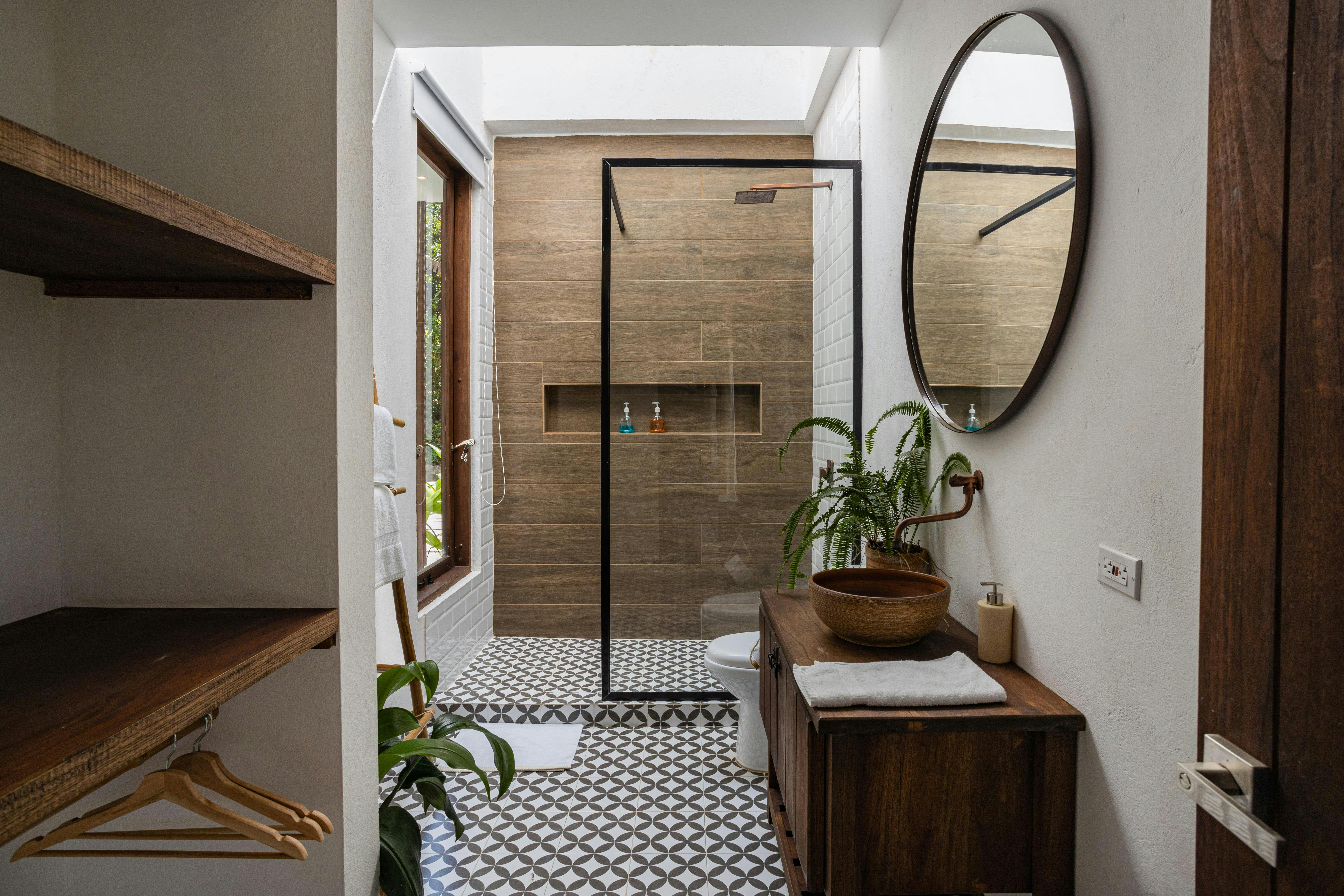
Wet Rooms & Tanking: The Ultimate Guide to Waterproofing Your Bathroom
Wet rooms are a growing trend in modern bathroom design, offering a sleek, minimalist aesthetic and enhanced accessibility. However, their open-plan nature means that proper waterproofing – or "tanking" – is critical to prevent costly water damage and ensure the longevity of your installation.
What is a Wet Room?
At its core, a wet room is a bathroom where the showering area is entirely open and integrated into the rest of the space, without the traditional shower tray or enclosure. The floor of the entire room, or at least a significant portion of it, is designed to be waterproof, with a gentle slope directing water towards a drain.
Why is Tanking Essential for Wet Rooms?
"Tanking" refers to the process of applying a continuous, impermeable waterproof layer to all surfaces in a wet area – typically the floor and the lower 150mm (or more) of all walls, as well as the entire wet zone around the shower.
Think of it like creating a waterproof "tank" within your bathroom. Without proper tanking, water can seep through grout lines, porous tiles, or even plasterboard, leading to:
Structural Damage: Rotting timber, weakened floor joists, and compromised wall structures.
Mould and Mildew Growth: Persistent damp conditions create an ideal breeding ground for unhealthy mould.
Discolouration and Staining: Water ingress can cause unsightly marks on walls and ceilings in adjoining rooms.
Costly Repairs: Remedial work for water damage can be extensive, disruptive, and expensive.
Insurance Issues: Inadequate waterproofing can invalidate insurance claims related to water damage.
In essence, tanking is not an optional extra; it's the fundamental backbone of a durable and problem-free wet room.
Key Components of a Robust Wet Room Tanking System
A comprehensive tanking system typically involves several integrated elements:
Preparation: Ensuring surfaces are clean, dry, and structurally sound. Any cracks or imperfections should be addressed.
Primer: Applied to surfaces to improve adhesion of the waterproof membrane.
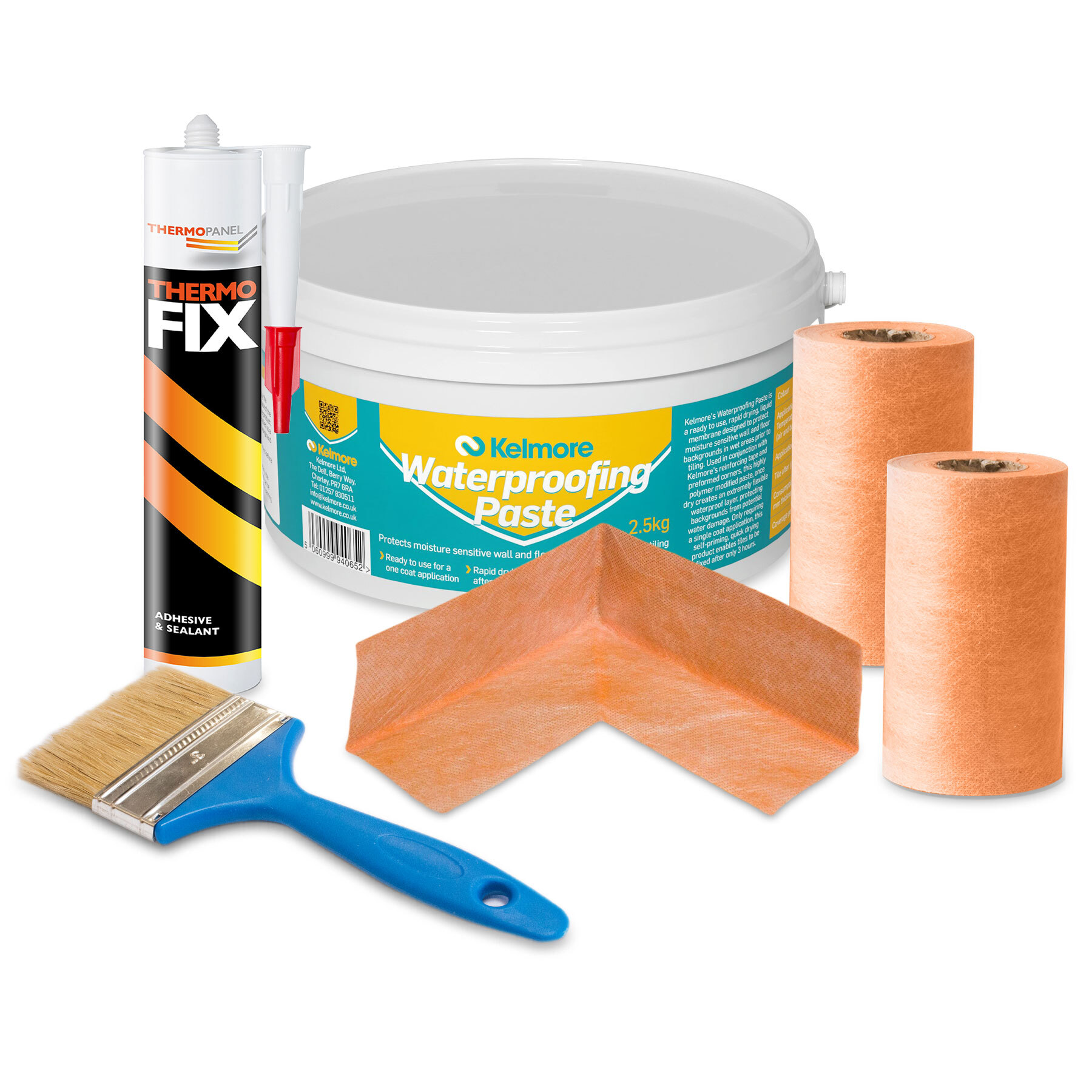
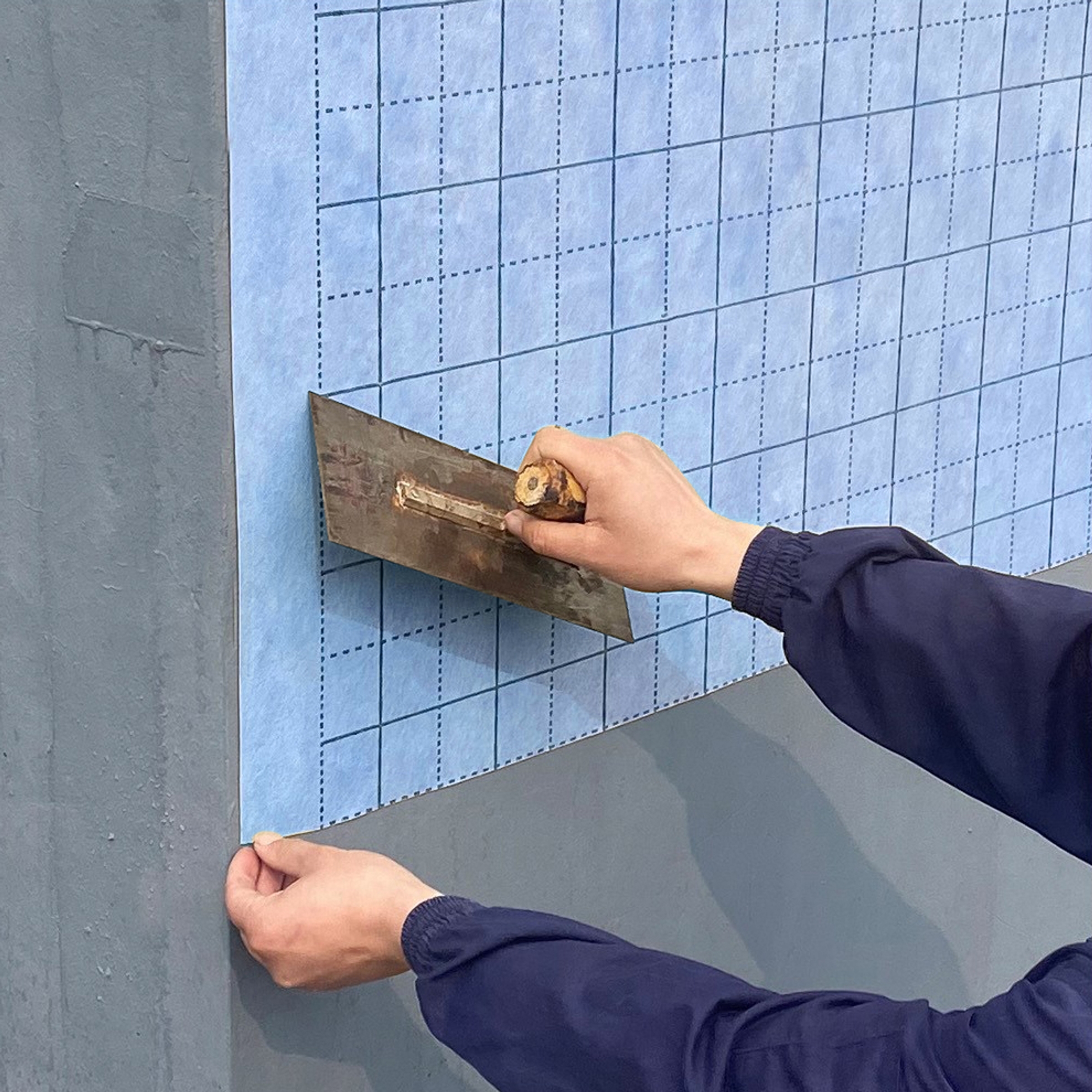
Liquid Membranes: These are typically brush or roller-applied, forming a continuous, flexible waterproof layer. Many modern liquid tanking kits offer visual cues for missed spots and significantly reduced drying times (e.g., 90 minutes before tiling).
Sheet Membranes: These are rolls of waterproof material that are adhered to surfaces, often used in conjunction with liquid membranes for transitions.
Sealing Tapes and Corner Pieces: Crucial for reinforcing junctions between walls and floors, as well as internal and external corners, which are highly susceptible to movement and water ingress. These are often fabric-backed and embedded into the liquid membrane.
Pipe Collars/Seals: Special seals designed to create a watertight barrier around pipe penetrations through walls or floors.
Pre-Formed Shower Trays/Wet Decks: These specialist shower trays (often made from materials like XPS or reinforced concrete) are designed with the correct fall and integrated drain, forming a key part of the waterproof system. They are then tanked over.
Board Selection: A Critical Consideration for Wet Areas
The type of board used on walls and floors beneath your tanking system is paramount. Not all boards are created equal when it comes to wet environments:
Magnesium Oxide (MgO) Boards: While lightweight and seemingly robust, there's significant industry concern about their suitability for consistently wet areas. As discussed, magnesium oxide can react with water, and many data sheets recommend tanking in high humidity or wet areas because they allow water to pass through. Leading bodies like the NHBC (National House-Building Council) for new builds generally do not accept them unless specifically approved and tested. It's often safer to avoid them in direct wet areas.
Recommended Boards for Wet Areas:
XPS (Extruded Polystyrene) Boards: Lightweight, rigid, and inherently water-resistant, making them excellent substrates for tanking.
Cement Boards: Durable and dimensionally stable, highly resistant to moisture.
Fibre Cement Boards: Similar to cement boards, offering excellent performance in wet conditions.
Fibreglass Reinforced Cement Boards: Another robust option, providing strength and water resistance.
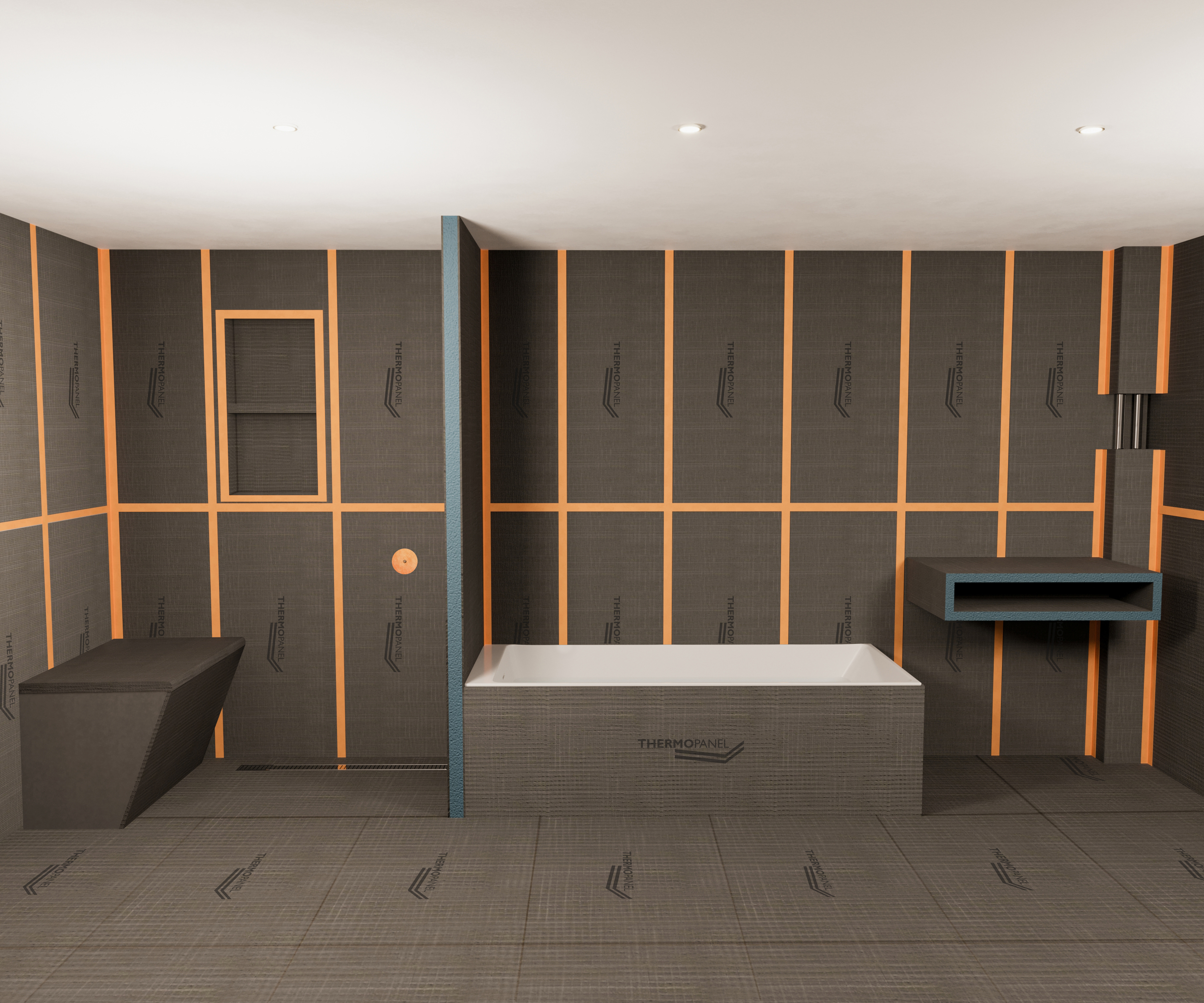
The Golden Rule: Always check the manufacturer's recommendations and any relevant building regulations (like those from the NHBC in the UK) when selecting boards for wet rooms. If a board isn't explicitly listed as suitable for wet areas or requires extensive tanking, it's best to err on the side of caution. For new builds, if a board isn't on the NHBC's approved list, it must have an independent test certificate proving its suitability.
Product Testing and Certification: Ensuring Compliance and Quality
For manufacturers and installers, knowing that a tanking product meets industry standards is vital.
European Standards (e.g., ETAG 022): Historically, getting products tested to European standards for waterproofing in the UK was challenging and expensive due to a lack of local test houses.
UK Testing Availability: Fortunately, there are now test houses in the UK that can perform these crucial tests.
NHBC Compliance (EDA): Products that meet NHBC standards will often state this clearly, sometimes with an EDA (External Data Assessment) classification. This gives confidence to builders and homeowners that the product is fit for purpose in new build properties and meets stringent quality requirements.
While product testing can be costly for manufacturers, it's an investment that ultimately benefits the end-user by ensuring reliability and compliance.
Creating a wet room is an investment in style, accessibility, and modern living. However, the success and longevity of that investment hinge entirely on meticulous attention to waterproofing. By choosing the right boards, understanding the principles of tanking, and utilising high-quality, tested products, you can ensure your wet room remains a beautiful, functional, and leak-free space for years to come.


 Sign up for news & special savings